
Glutathione vs Collagen ⭐ Which One Does Your Skin Actually Need?
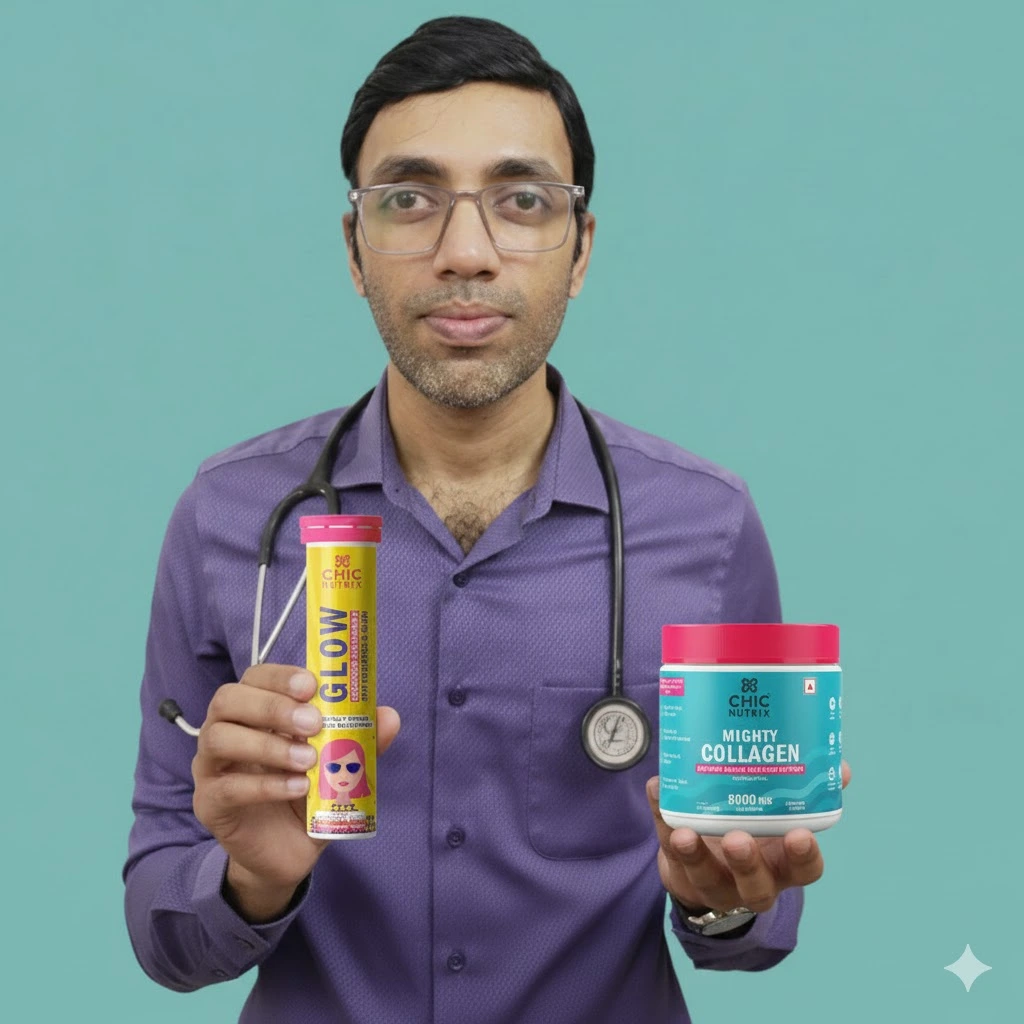
- Glutathione functions as a master antioxidant that lightens skin tone by reducing melanin and converting it to lighter pigments.
- Collagen serves as the structural glue of the body, making up most of your skin to maintain firmness and prevent wrinkles.
- Choose intravenous glutathione for the fastest results, though oral supplements require three months to two years of consistent use.
- Protect collagen structures with astaxanthin, a powerful natural antioxidant that shields the dermal layer from environmental damage.
- Consult a certified dermatologist before starting glutathione to monitor safety and avoid side effects like premature hair graying.
Many people are confused about whether to choose glutathione or collagen for their skin health, often asking if they should take one, both, or which is “better”. While one is a master antioxidant that lightens skin tone by reducing melanin, the other is a structural protein that acts as the “glue” keeping your skin firm and youthful. Choosing the wrong supplement can lead to wasted money and missed results, making it essential to understand their distinct biological roles and how they can work together under professional guidance.
Introduction: The Beauty Supplement Confusion
Hello friends, I am Dr. Prasoon. Lately, I have been receiving many questions from patients who are confused about the latest trends in skin health. A very common question I hear is, “Doctor, what is the difference between collagen and glutathione?” or “Can I take both together for better skin?”.
It is easy to get overwhelmed by marketing that promises “magic” results for your complexion, but using these supplements without understanding them is a mistake. While both are popular in the world of skincare, they perform entirely different biological functions:
- Glutathione is known as the “master antioxidant.”. Its primary role in skincare is focused on skin tone and lightening by reducing the production of melanin, the pigment that gives our skin its color.
- Collagen is a structural protein that acts like “glue” for your body. Since your skin is composed of about 70-80% collagen, its main job is to maintain firmness, elasticity, and a youthful appearance, helping to prevent wrinkles and sagging.
Choosing the wrong supplement for your specific skin goal can lead to wasted money and disappointment. In this guide, I will break down the science behind these two powerhouses, explain how they differ, and show you how to choose the right one for your needs—or even how to use them together safely under professional guidance.
Think of your skin like a newly painted house. Collagen is the structural frame and the bricks that keep the walls strong and prevent the house from sagging over time. Glutathione is the high-quality paint on the outside that determines how bright, even, and radiant the exterior looks. You need the frame for strength, but you need the paint for the glow.
Glutathione: The “Master Antioxidant” for Skin Tone
Glutathione is often referred to as a “magic drug” for skin whitening, but it is actually a peptide made of three amino acids that functions as a powerful antioxidant. While it is naturally produced in our bodies, our levels decrease as we age, which contributes to changes in skin texture, the appearance of wrinkles, and shifts in skin color.
How It Works: The Melanin Connection
The primary reason glutathione is used for skin lightening is its effect on melanin, the pigment that determines your skin color. There are two types of melanin: eumelanin (which is darker) and pheomelanin (which is lighter). Glutathione works through two main actions:
- Reducing Production: it directly lowers the overall production of melanin.
- The Conversion Secret: It promotes the conversion of dark eumelanin into lighter pheomelanin, which can lighten a person’s skin tone by one or two grades.
From Medical Treatment to Beauty Side Effect
Interestingly, glutathione was not originally used for skincare. It has long been prescribed for chronic liver disease, Alzheimer’s, and for patients recovering from chemotherapy. Doctors noticed that as a side effect of taking this medication for months or years, patients’ skin tones became significantly lighter. This discovery led to the extensive research and popularity it enjoys in the beauty industry today.
Choosing the Right Form: What is Most Effective?
Glutathione is available in several forms, and as your doctor, I want you to know which ones actually work:
- Intravenous (IV) Therapy: This is the most famous and effective method because it is injected directly into the vein, providing fast results. However, you must be careful: it lacks FDA approval specifically for skin whitening, and the long-term side effects are not yet fully understood.
- Oral Tablets and Sprays: These are effective but require a significant time commitment. Depending on your starting skin tone, it can take anywhere from three months to two years of consistent use to see results.
- Topical Creams and Gels: These are the least effective. The glutathione molecule is quite large, making it difficult for the skin to absorb it effectively when applied on the surface.
Important Precautions
While glutathione is a powerful tool, it is not a “set it and forget it” solution. If you stop the treatment, your skin color may eventually revert to its original state. This is why many dermatologists recommend maintenance doses or the consistent use of sunscreen to preserve the results.
Additionally, be aware of potential side effects such as skin rashes, stomach pain, or even the premature graying of hair due to the reduction of melanin. To ensure safety and the correct dosage, you should always consult a certified dermatologist before beginning any therapy.
Collagen: The “Glue” for Structural Integrity
While glutathione focuses on the color and “glow” of your skin, collagen is all about the strength and structure. As a doctor, I often describe collagen as a protein made up of amino acids that acts like the “glue” of the human body, providing essential structural support.
The Foundation of Youthful Skin
Did you know that your skin contains about 70-80% collagen?. This high percentage is exactly what helps keep our skin firm, elastic, and youthful. As we age, our natural collagen production slows down, which is why we start to see age-related skin problems like wrinkles, sagging skin, and fine lines. By maintaining healthy collagen levels, you are essentially protecting your skin against these visible signs of aging.
Beyond Skin: Hair and Nails
The benefits of collagen aren’t just limited to your face. Because collagen is a protein rich in amino acids, your body uses it to produce keratin, which is the primary protein found in your hair.
- For Hair: Since collagen is found in the dermis (the skin layer where your hair follicles are located), it plays a vital role in the health of your scalp and the strength of your hair follicles.
- For Nails: Collagen provides the amino acids that promote nail growth and protection, helping your nails grow stronger and preventing them from becoming brittle or breaking easily.
The Protective Shield: Astaxanthin
To truly get the best results from collagen, it needs protection. I often recommend looking for supplements that include Astaxanthin. This is a natural antioxidant—often derived from microalgae—that protects the dermis layer, where your collagen resides, from environmental damage and free radicals. In fact, specific forms like AstaReal® Astaxanthin are considered significantly more powerful than many other common antioxidants, providing a “shield” that prevents your collagen from being broken down by the environment.
In short, if your goal is to fight the “sagging” and keep your skin’s architecture strong and healthy, collagen is your best friend.
Think of your skin as a trampoline. The collagen is like the strong springs that keep the mat tight and bouncy. When the springs are new and strong, the trampoline stays firm. But as the springs get old or rusty, the trampoline starts to sag in the middle. Astaxanthin acts like a protective cover over those springs, keeping them from rusting so the trampoline stays bouncy for much longer.
The Head-to-Head Comparison: Function vs. Result
To help you make the best choice for your skincare routine, we need to compare these two based on their primary functions and the results you can expect.
Primary Goal: Skin Tone vs. Skin Texture If your main concern is addressing pigmentation, dark spots, or simply wanting a brighter “glow,” then Glutathione is the supplement you need. It works on the chemical level to lighten your complexion by one or two grades by targeting melanin. However, if your goal is to fight the signs of aging, such as sagging skin, loss of elasticity, or fine lines, then Collagen is the correct choice. While one focuses on the color (Glutathione), the other focuses on the strength and architecture of the skin (Collagen).
The Impact of Aging It is important to understand that our bodies naturally produce both of these substances, but our natural levels decline as we get older. This natural decrease is a major reason why skin texture changes, color shifts, and wrinkles begin to form as we age.
Synergy: Can They Be Used Together? A question I often get from patients is whether they can use both at the same time, and the answer is yes. In fact, using them together can be very effective because they address different layers of skin health. To make this combination even more powerful, I recommend the addition of Vitamin C. Vitamin C acts as a vital bridge; it helps your body absorb glutathione much more effectively and increases its efficiency while simultaneously boosting your body’s natural collagen production. By combining these, you are supporting both the “glow” and the “firmness” of your skin at the same time.
Risks and Important Considerations
While these supplements offer significant benefits, as a doctor, I must emphasize that they are not “magic pills” without risks. It is vital to understand the potential side effects and the commitment required before you begin any therapy.
Side Effects of Glutathione The side effects often depend on the method of administration:
- Oral Supplements: Generally, oral glutathione has fewer side effects, but some individuals may experience skin rashes or mild stomach pain.
- Intravenous (IV) Therapy: Because IV therapy is more potent, the risks are higher. Patients have reported patchy skin color (where different areas of the skin have different tones) and premature graying of hair due to the significant reduction of melanin. Furthermore, it is important to note that IV glutathione lacks FDA approval specifically for skin whitening, and the long-term safety of high-dose injections is still not fully understood.
The Reversion Reality One of the most important things to realize is that glutathione treatment is not a lifelong, permanent fix. Once you stop taking the tablets or stop the IV sessions, your skin color will likely revert to its original state over time. To maintain your results, you will often need maintenance doses of tablets or creams, and the consistent use of sunscreen becomes absolutely mandatory to protect your lighter skin grade from the sun.
Professional Guidance is Essential You should never start these supplements based solely on a friend’s recommendation or an internet trend. Every person’s body chemistry is different. Before starting any treatment, you must consult a certified dermatologist or skin specialist to determine the correct dose and the number of sessions required for your specific needs.
If you are unsure which supplement is right for you or are worried about potential interactions with other medications, you can use Dofody’s online doctor consultation to speak privately with an expert. We can help you build a safe, scientifically-backed skincare routine that gives you the results you want without compromising your health.
Starting these supplements without a doctor is like tuning a high-performance engine without a manual. You might get a temporary boost in speed, but without the right settings, you risk overstressing the system or having the performance drop the moment you stop refueling. A professional consultation provides the “manual” to ensure your “engine” runs beautifully and safely for the long term.
Conclusion: Professional Advice for Personalized Results
In summary, don’t waste your time or money on supplements that don’t align with your specific goals. If you are looking for a radiant “glow” or want to address pigmentation and dark spots, glutathione is the master antioxidant that targets melanin production. However, if your primary concern is anti-aging, such as fighting wrinkles or sagging skin, then collagen is the essential “glue” needed to restore your skin’s structural integrity.
Remember that these two can work beautifully together; using a Vitamin C supplement can act as a bridge, helping your body absorb glutathione more efficiently while simultaneously boosting natural collagen production. However, because of potential side effects like skin rashes or the “reversion effect” where results fade after stopping treatment, you must not attempt to self-medicate.
Before starting any high-dose therapy or new supplement routine, it is vital to consult a certified dermatologist to determine the correct dosage and sessions for your unique skin type. I encourage you to use Dofody’s online doctor consultation to speak with a specialist from the comfort of your home. We can help you create a personalized, scientifically-backed plan to ensure you achieve the healthy, beautiful skin you deserve safely.
Take care, stay healthy, and thank you for reading!
Choosing between glutathione and collagen is like maintaining a classic car. Collagen represents the engine and chassis—it’s the internal structure that keeps the car from breaking down or sagging as it gets older. Glutathione is the premium wax and polish that gives the car its brilliant shine and even color. To have a show-stopping vehicle, you need both a strong frame and a perfect finish, but a professional mechanic is the only one who can tell you exactly which “part” needs the most attention!
Frequently asked questions
Glutathione is an antioxidant that focuses on skin tone by reducing melanin production for a brighter complexion. Collagen is a structural protein that maintains skin firmness, elasticity, and prevents wrinkles.
Topical creams and gels are the least effective form of glutathione. The molecule is very large, making it difficult for the skin to absorb effectively from the surface.
No, your skin color may eventually revert to its original state if you stop the treatment. Dermatologists typically recommend maintenance doses and consistent sunscreen use to preserve your results.
Yes, collagen provides essential amino acids that your body uses to produce keratin for strong hair follicles. It also promotes healthy nail growth and prevents nails from breaking easily.
Astaxanthin is a natural antioxidant that protects the dermis layer where your collagen resides. It acts as a shield against environmental damage and free radicals, preventing collagen breakdown.
Related Products
Related Reading
Related Articles

Dr Prasoon C
You Might Also Like
Got Questions About Online Consultations? Call or WhatsApp
frequently asked questions
Yes. Every article on the Dofody blog is authored or reviewed by qualified doctors and healthcare professionals from our panel. We prioritize evidence-based medical insights and ensure the content is tailored to the specific health needs and cultural context of the Kerala community. However, this information is for educational purposes and should not replace a personal diagnosis.
If your symptoms persist for more than 48–72 hours, worsen despite home care, or if you experience “Red Flag” symptoms (such as high fever, severe pain, or sudden weakness), you should seek professional help immediately. You can book an online consultation on Dofody to discuss your specific symptoms with a specialist from the comfort of your home.
Absolutely. If this article has raised questions about your health, you can connect with a specialist (such as a General Physician, Pediatrician, or Gynecologist) the Dofody. Our doctors can provide personalized advice, review your medical history, and issue e-prescriptions or lab referrals based on your specific needs.