

The “Thud” Every Parent Dreads
It’s a sound every parent knows and fears—that sickening “thud” followed by a moment of silence, and then the loud cry. Whether your baby rolled off the bed, slipped on the floor, or bumped into a table, head injuries are terrifyingly common in childhood.
While your instinct might be to panic or rush to the Emergency Room immediately, the truth is that most childhood bumps are minor. However, distinguishing between a harmless “goose egg” and a serious internal injury can be tricky. Before we dive into the warning signs, let’s talk about what you should do immediately after the accident.
Immediate First Aid: What to do right now ?
1. Comfort and Calm: The first step is to pick up your child and calm them down. Crying is a normal reaction to pain and shock, but it can make it hard for you to assess their true condition.
2. Check for Wounds: Look for any cuts or bleeding. The scalp has a rich blood supply, so even a small cut can bleed profusely. Apply gentle pressure with a clean cloth to stop bleeding.
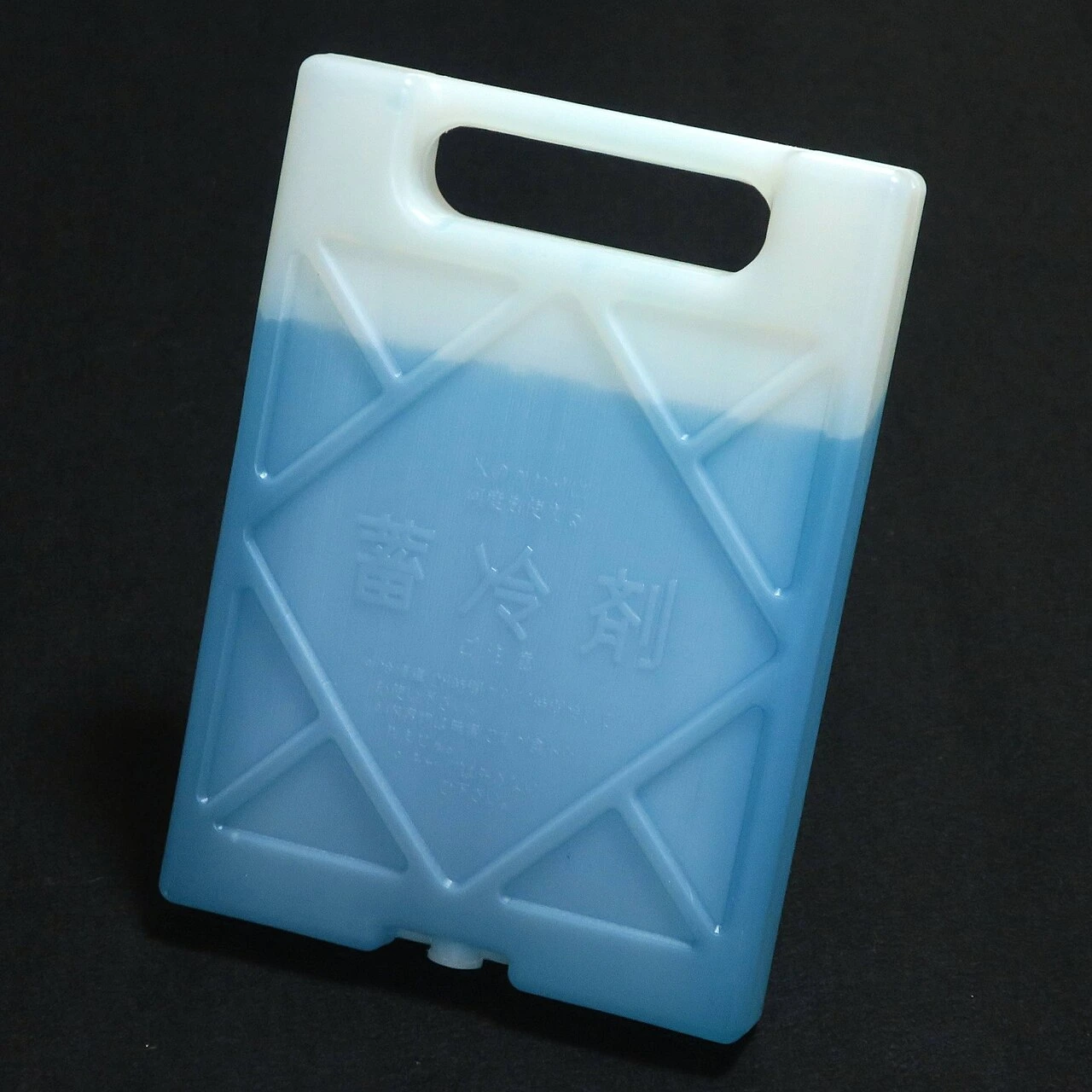
3. Ice the Bump: If a swelling (hematoma) appears, apply a cold compress or an ice pack wrapped in a cloth for 20 minutes. This reduces pain and swelling. Note: A large “goose egg” on the forehead is often less concerning than it looks, as it usually means the bleeding is external (outside the skull)
4. Observation: Do not give pain killers immediately if you are unsure of the severity, as this might mask symptoms. Instead, observe the child closely for the next 24 hours.
Did Your Heart Fell Down With Your Baby?
How many times have your baby fell from the bed and bumped his head? You get all kinds of advice from people around you on what to do. Your doctor would have said that if the baby vomits, then you should take a CT scan, right? Watch this video and learn in what all situations should you be worried? The guest in this video is Dr. Rajeev Rajasekharan, a Neurosurgeon from Cochin, Kerala.
When should you be worried?
- If the child vomits immediately after the fall.
- Need to conduct a CT Scan if the child is unconscious for 5 minutes or has trouble remembering
- If the child falls from a great height/ had a vehicular accident etc which may lead to a suspicious head injury, swollen eyes or ears, fluid coming out of the nose, bleeding in the ear then a CT scan needs to be conducted.
- Seizures
- Need to see a Neurologist if the child vomits within 1 hour after the fall. No need to see or conduct tests if there’s vomiting after 8 hours.
CT vs MRI
If your child is an infant look out for who are breastfeeding, increased sleepiness, lack of response to physical stimuli, seizures and immediate vomiting after the fall. If these signs are present, it would be better to rule-out intra-cranial bleeding.
Computed tomography or CT scan allows doctors to see inside your body. It uses a combination of X-rays and a computer to create pictures of your organs, bones, and other tissues. It shows more detail than a regular X-ray. Magnetic resonance imaging or MRI is a test that uses powerful magnets, radio waves, and a computer to make detailed pictures inside your body.
CT scans and MRIs are both used to capture images within your body. The biggest difference between MRI and CT scan is that MRIs use radio waves and CT scans use X-rays. It is due to the same reason that CT scans are much more harmful to the human body when compared to MRI scans. A typical CT scan may take more than 100 X-Rays in order to get the detailed picture of the organs and as you all know, exposing yourself to multiple X-Rays is definitely not recommended unless otherwise advised by your doctor. In the case of children, brain development is happening at the fastest rate from birth to 5 years and exposure to unwanted CT scans should be avoided unless otherwise indicated.
So this is why you should think twice before taking your child for a CT scan for a trivial head injury. Consult your doctor first and then get a second opinion from a neurosurgeon or another pediatrician on Dofody before making such decisions.
This video is a part of a series of video interviews with a neurosurgeon. You can find the remaining here
The “Sleep” Dilemma: Can I let my child sleep?
One of the most common myths is that you must keep a child awake after a head injury. This can actually be counterproductive. An exhausted, crying child is harder to assess than a well-rested one.
The Rule of Thumb: If your child is alert, walking, and talking normally after the fall, it is generally safe to let them sleep. However, you should check on them every 2-3 hours.
-
Mild check: Gently touch them or say their name to see if they stir or wake up briefly.
-
When to worry: If you cannot wake them up at all, or if they wake up extremely confused or delirious, this is an emergency.
Prevention is Better than Cure
Babies have a center of gravity that is different from adults—their heads are larger and heavier relative to their bodies. This makes them “top-heavy” and more prone to falling head-first. To prevent future accidents:
-
Never leave a baby unattended on a bed, sofa, or changing table, even for a second.
-
Use bed rails or place the mattress on the floor if you co-sleep.
-
Strap them in: Always use safety straps in high chairs, strollers, and car seats.
-
Baby-proof corners: Use soft corner guards on sharp tables and furniture.
Conclusion 👶 Trust Your Instincts, But Verify with Experts
Parenting is a balancing act between protecting your child and letting them explore. Bumps and bruises are, unfortunately, part of growing up. While the sound of a fall is heart-stopping, remember that most childhood head injuries are mild and heal on their own without any medical intervention.
The most important tool you have is observation. Keep a close eye out for the red flags Dr. Rajeev mentioned—vomiting, seizures, or unresponsiveness. However, avoid the temptation to demand a CT scan for every minor bump. As we discussed, the radiation risk from frequent scans is real and should be reserved for genuine emergencies where the benefit outweighs the harm.
If you are ever in doubt—if that bump looks too big, or if your child is acting just a little ‘off’—don’t rely on guesswork or panic. You don’t always need to rush to the ER, but you shouldn’t sit in worry either.
Book a consultation with a Neurologist or Pediatrician on Dofody. Let us help you assess the situation via video call, so you can have peace of mind knowing you made the right decision for your little one.
Book a consultation with a friendly Neurologist on Dofody now.