
Why Whey Protein Matters More After 40 — A Doctor’s Perspective
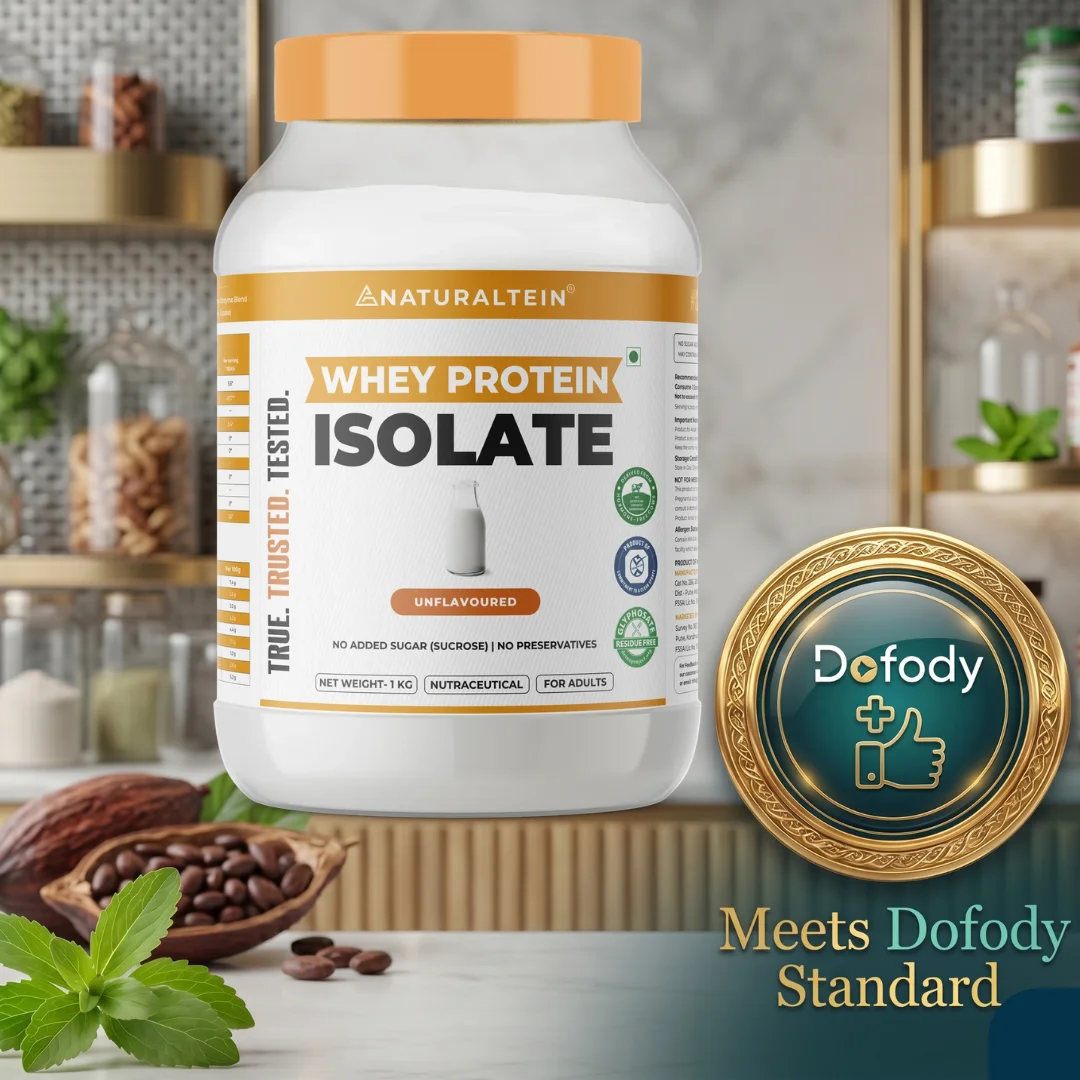
- Indian diets frequently lack adequate protein, with over 80% of the population consuming less than required.
- Anabolic resistance after age 40 reduces your body's ability to utilize dietary protein efficiently.
- Whey protein delivers essential amino acids like leucine to preserve muscle mass and regulate blood sugar.
- Declining estrogen in women above 40 demands higher protein intake to maintain bone density and hormones.
- Consume one daily scoop of whey protein to easily bridge the nutritional gap without overhauling your diet.
If you are above 40, working long hours in front of a screen — whether in Technopark, Infopark, or somewhere in the Gulf — protein is probably the last thing on your mind. You are thinking about the next sprint, the next deadline, maybe the next chai.
But here is what is quietly happening to your body while you ignore it.
Protein Deficiency Is Real — Especially in India
Most Indians believe they eat enough protein. Most are wrong.
A large-scale survey found that over 80% of Indians consume less protein than their body actually needs. Urban professionals fare no better — often worse, because convenience food replaces proper meals. A typical Kerala lunch of rice, sambar, and a small portion of fish or dal delivers perhaps 20 to 25 grams of protein. Your body needs nearly three times that.
After the age of 40, this deficit becomes significantly more consequential. The body’s ability to use dietary protein efficiently begins to decline — a process researchers call anabolic resistance. You need more protein to achieve the same result as you did at 25. And if you are not getting enough, your body quietly begins breaking down muscle tissue to meet its daily needs.
This is not a fitness concern. It is a health concern. Muscle is metabolically active tissue — it regulates blood sugar, supports joint function, maintains posture, and protects you from the kind of injuries and fatigue that accumulate silently through your forties and into your fifties.
Research published in prominent nutritional journals has consistently found that Indians — particularly those on predominantly vegetarian or rice-heavy diets — are among the most protein-deficient populations studied globally. If you are based in Kerala or working long hours in a sedentary role, you are in the highest-risk group.
Why Protein Is One of the Most Studied Nutrients in the World
Protein is not a supplement trend. It is one of the most extensively researched areas in nutritional science, with thousands of peer-reviewed studies spanning several decades.
What the research consistently shows:
- Adequate protein intake preserves muscle mass during ageing — a condition called sarcopenia affects a measurable proportion of Indians over 40 and is strongly linked to low protein intake.
- Higher protein diets support healthier body composition, better metabolic function, and improved blood sugar regulation — particularly relevant for South Indians with a genetic predisposition toward type 2 diabetes.
- Whey protein specifically — derived from milk — has the highest biological value of any food protein and is absorbed faster than almost any other source. Its leucine content, the amino acid most responsible for triggering muscle repair, is unmatched.
This is not gym science. This is clinical nutrition. The same research used to inform hospital dietary protocols is what makes whey protein valuable for a 43-year-old software engineer who has not exercised consistently in two years.
If you want to go deeper into the science, the Dofody YouTube channel has published over 30 detailed videos on protein supplements — covering everything from how whey is made to how it interacts with Indian diets — at youtube.com/c/dofody.
Benefits of Whey Protein for Men Above 40
For men, the forties mark a gradual but measurable decline in testosterone. This has a direct impact on how efficiently the body builds and maintains muscle. Combined with a sedentary work life and inadequate protein intake, the result is a slow but steady loss of lean body mass — often replaced by visceral fat, the kind that accumulates around the abdomen and carries the highest cardiovascular risk.
Whey protein addresses this through several mechanisms supported by research:
- Muscle preservation without the gym: Studies show that adequate protein intake alone — even without exercise — slows the rate of age-related muscle loss. Adding even moderate physical activity amplifies this significantly.
- Blood sugar and metabolism: Whey protein consumed before or with meals has been shown in multiple studies to blunt post-meal blood glucose spikes. For Indian men above 40, where pre-diabetes is increasingly common, this is clinically meaningful.
- Satiety and weight management: Protein is the most satiating macronutrient. Men who increase protein intake consistently report reduced hunger and fewer late-night cravings — without consciously dieting.
- Recovery from daily stress: You do not need to be an athlete to experience muscle breakdown. Long hours at a desk, poor sleep, and chronic stress all cause it. Whey protein provides the amino acids needed for repair — daily, not just on workout days.
Benefits of Whey Protein for Women Above 40
For women, the conversation around protein after 40 is even more urgent — and even less discussed.
Perimenopause and the years approaching it bring a decline in estrogen. Estrogen plays a direct role in how efficiently the body processes and uses protein. As levels drop, the body becomes less effective at converting dietary protein into muscle tissue. This means women above 40 need more protein than they did at 30 — not less, not the same amount.
- Bone health: Protein supports collagen synthesis and calcium metabolism. Research including studies on postmenopausal women found that whey protein supplementation was associated with better preservation of bone mineral density — a major concern for Indian women, who are at higher risk of osteoporosis than their Western counterparts.
- Hormonal balance and energy: Amino acids from quality protein are precursors to neurotransmitters and hormones. Women who increase protein intake during perimenopause frequently report more stable energy, improved sleep quality, and better mood regulation — though individual responses vary.
- Weight and body composition: Declining estrogen shifts fat distribution toward the abdomen. Higher protein intake supports the preservation of lean mass and helps maintain a healthier metabolic rate during this transition.
- Hair and skin: Keratin — the structural protein of hair — requires adequate amino acid availability. Many women above 40 experiencing hair thinning are, on closer examination, protein deficient.
Whey protein is one of the most practical ways for busy working women — managing a career, a household, and often aging parents simultaneously — to close this nutritional gap without overhauling their diet.
Start With 30 Grams — One Scoop, One Habit
The most common mistake people make with protein is overthinking it. They research extensively, buy a product, use it twice, and stop.
Start simply. One scoop of whey protein — approximately 25 to 30 grams of protein — added to water or milk once a day is enough to make a measurable difference if your current intake is low.
The best time is whenever you will actually do it consistently. Morning works well because it sets the nutritional tone for the day and reduces mid-morning hunger. Post-exercise works well if you train. Even before bed has research support for muscle recovery during sleep.
If you are vegetarian or do not eat much meat or dairy, one scoop per day may cover a third to half of your protein deficit. That alone can shift how you feel over weeks.
The unflavored native whey concentrate is the cleanest option — no artificial sweeteners, no added flavors, just protein. It mixes easily with anything and does not interfere with the taste of a morning smoothie or warm milk.
Conclusion
If you are above 40, living a busy professional life in Kerala or abroad, and eating a typical Indian diet, the probability that you are protein deficient is high. It is not a character flaw or a lifestyle choice — it is a structural gap in South Indian eating patterns that was manageable at 25 and becomes consequential after 40.
Whey protein is not a magic supplement. It is a convenient, well-researched, cost-effective way to fill a gap that food alone often cannot close — especially for people whose lives do not allow for perfectly planned meals three times a day.
A single scoop a day is a small habit. The return, over months and years, is meaningful.
The supplements available on the Dofody store are clinically reviewed — not picked off a shelf. If you are looking for a clean, doctor-reviewed whey protein, you can find our range here:
Frequently asked questions
Most adults in Kerala consume a typical diet of rice, sambar, and small portions of fish or dal, which only provides 20 to 25 grams of protein. This amount falls significantly short of daily bodily requirements, leading to widespread deficiency.
After age 40, the body experiences anabolic resistance, meaning it becomes less efficient at using dietary protein. Consequently, adults need to consume more protein than they did in their twenties to prevent the body from silently breaking down muscle tissue.
Whey protein helps men combat the muscle loss and visceral fat accumulation associated with declining testosterone levels. It also blunts post-meal blood sugar spikes and provides the amino acids needed for daily muscle repair and stress recovery.
As estrogen levels decline during perimenopause, a woman's body becomes less effective at converting dietary protein into muscle tissue. Increasing protein intake helps preserve bone mineral density, supports hormonal balance, and provides keratin for healthy hair.
Beginners should start simply by adding one scoop of whey protein, which provides about 25 to 30 grams, to water or milk once a day. Unflavored native whey concentrate is recommended as a clean option that mixes easily without altering the taste of your drink.
Related Products
- Whey Protein Concentrate (Chocolate)
- Whey Protein Concentrate (Unflavored)
- Whey Protein Isolate (Unflavored)
Related Reading

Dr Prasoon C
You Might Also Like
Got Questions About Online Consultations? Call or WhatsApp
frequently asked questions
Yes. Every article on the Dofody blog is authored or reviewed by qualified doctors and healthcare professionals from our panel. We prioritize evidence-based medical insights and ensure the content is tailored to the specific health needs and cultural context of the Kerala community. However, this information is for educational purposes and should not replace a personal diagnosis.
If your symptoms persist for more than 48–72 hours, worsen despite home care, or if you experience “Red Flag” symptoms (such as high fever, severe pain, or sudden weakness), you should seek professional help immediately. You can book an online consultation on Dofody to discuss your specific symptoms with a specialist from the comfort of your home.
Absolutely. If this article has raised questions about your health, you can connect with a specialist (such as a General Physician, Pediatrician, or Gynecologist) the Dofody. Our doctors can provide personalized advice, review your medical history, and issue e-prescriptions or lab referrals based on your specific needs.