- Self-medication instead of professional consultation can lead to fatal misdiagnoses, like confusing heart attacks with gastritis.
- Time and money savings primarily drive Indians to skip doctor visits and rely on old prescriptions.
- Dangerous drug interactions occur when unprescribed pharmacy medicines are combined with existing medical treatments.
- Unnecessary antibiotic usage for viral infections like the common cold drastically worsens the antibiotic resistance crisis.
- Improper dosing and banned medications are major risks faced when buying drugs without a valid prescription.
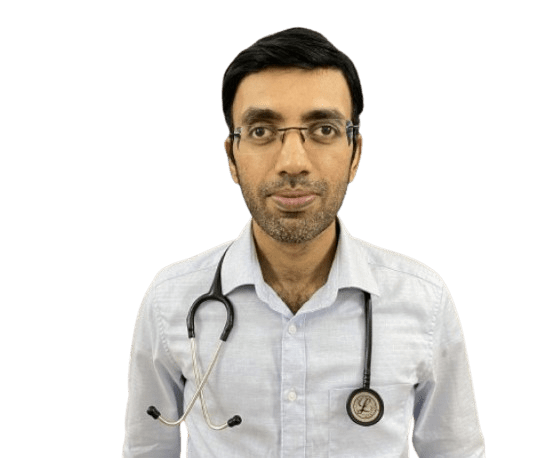
Hey guys, Doctor. Prasoon here. I’m going to tell you two stories and both are true incidents. A 65 year-old man had chest pain and burning sensation in the stomach region. He thought it was gastritis he went to the nearest pharmacy, his friend was the pharmacist there. He took the medicine for gas and later that night he died because of heart attack.
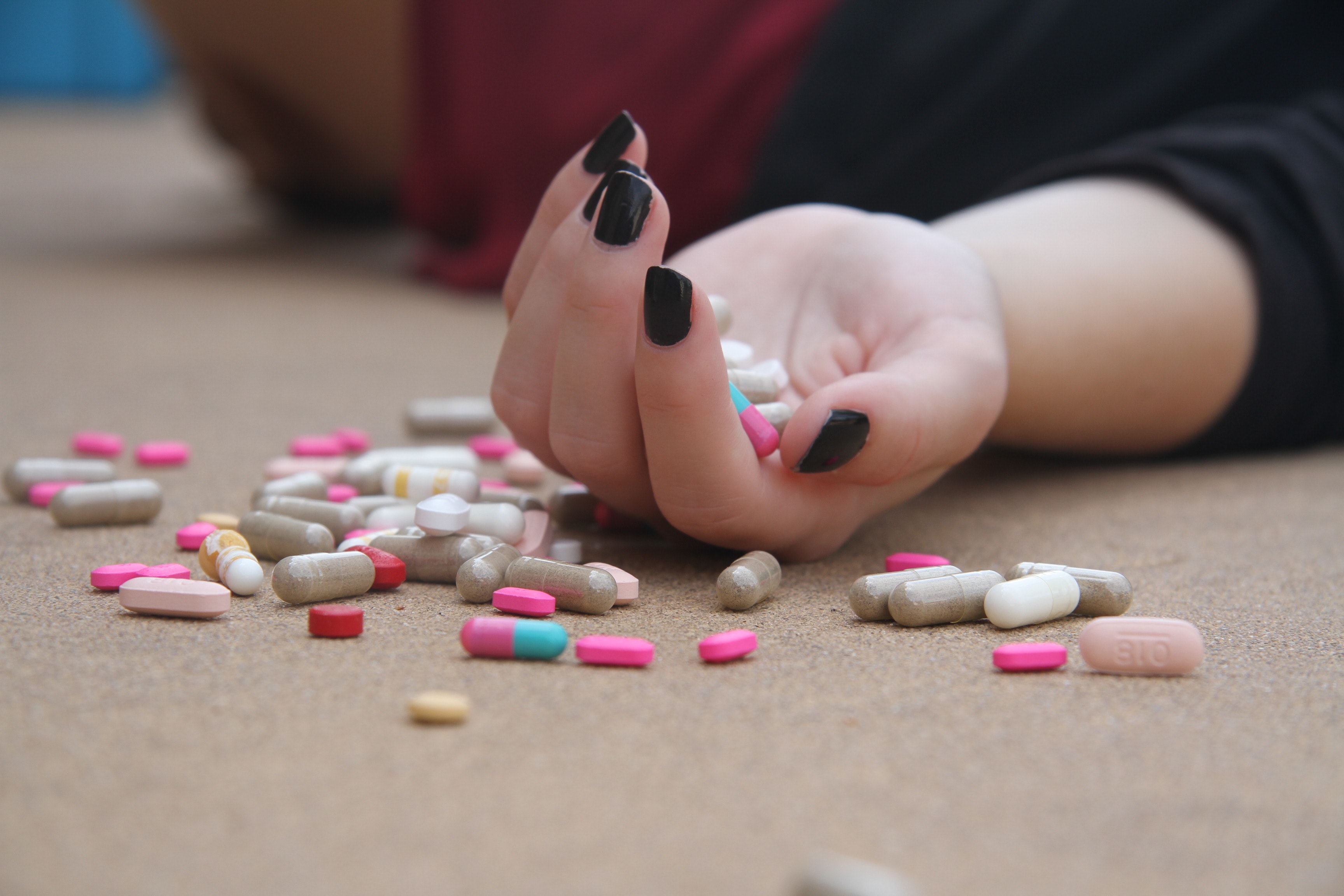
The second incident is of a 50-year-old lady. She had a severe headache, she was taking medicines for high blood pressure, because of the severity of the headache and the lack of time, she went to the nearest pharmacy took painkillers which she got from the pharmacist and now she is paralyzed on one side of her body because of stroke. The increased blood pressure had resulted in bleeding inside her brain, paralyzing her for the rest of her life.
Why are Indian so fond of self medication? what are the risks associated with self medication? that is coming up in this video. This is Dofody, so let’s get started. We Indians love to self-medicate. whether it be a fever, cold, cough, sore throat, headache, diabetes, high blood pressure, wounds, injuries, acidity, burns, eye drops, ear drops, constipation, diarrhea, delaying menstrual periods or even a chest pain, toothache or a severe headache. We directly go to the pharmacist instead of consulting a doctor first and taking his medical advice.
When we have a health problem it’s a three-step process. We first have to consult a doctor and the doctor is going to write medicines anyway and then we have to take that prescription to a pharmacy where we are going to get the medicines. Now because of the lack of time and in order to save the money, most of us what we do is that we cut out the second part. We don’t consult the doctors. An Indian doctor is going to charge you anywhere between 100 to 400 rupees for a single consultation, and in order to save that money you directly go to the pharmacist.
You trust the pharmacist more than an MBBS doctor. According to a recently published article in the International Journal of Community Medicine, it was found that “availability of an old prescription” and “saving time”, these two were the main reasons why people tend to skip the doctor consultation part and directly go for the medicines.
The rise of online pharmacies where you can just sit in your home, tap some buttons and get the delivery of the medicines that you ordered in your home without going outside. This has made it even more easier for self medication. But, have you ever considered the risk associated with Self medication?. I will name a few, apart from the life-threatening allergic reactions to the medicines that you get. Most of the medicines have adverse reactions when they are taken in combination with other medicines. You might be taking medicines for other medical conditions and you will be combining it with other medicines that you get from the pharmacist.
Some medicines are absolutely contraindicated in some medical conditions and they need to be avoided at all costs. Medicines which are banned in India are still being supplied in many pharmacies and the pharmacies tend to sell out more medicines and that is the reason why they encourage you to buy more medicines, even if they are banned. Improper dosing, improper scheduling of the drugs, improper timing of taking the medicines.
All these are complications which are associated with self medication, and when it comes to an infection, How is the pharmacist going to know which is the right medicine for you or as how are you going to know whether the medicine that you get from the pharmacist is the right medicine for your health condition. Antibiotic resistance has been on the rise in India and it is actually a mess in our country right now.
I have already made a video on antibiotic resistance. Most of the upper respiratory tract infections including common cold and cuff are caused by viruses, and you have to understand that antibiotics have no role in controlling or treating such viral infections. I highly recommend you to watch the video about antibiotic resistance and share that video too.
Even the most commonly prescribed medicines such as paracetamol and Mefenamic acid have allergic reactions associated with them. So these were some of the harmful effects and risk factors associated with self medication. You should never compromise when it comes to your health and for that, you should avoid self medication and get a doctor’s advice by downloading the Dofody app. You can get an expert specialist doctor’s opinion starting at just 99 rupees.
If you like this video, please consider subscribing to our Channel. I will see you in the next one. This is me Dr. Prasoon signing off. Take care, stay healthy and thank you so much for watching
Frequently asked questions
Self-medication can lead to fatal misdiagnoses, as seen when a patient mistook a heart attack for gastritis. Proper doctor consultations are essential to accurately identify and treat life-threatening conditions.
People often self-medicate to save time and avoid paying doctor consultation fees. The availability of old prescriptions and the convenience of online pharmacies also encourage this risky practice.
Yes, taking unprescribed drugs can cause severe adverse reactions when combined with your current medications. Some medicines are absolutely contraindicated for certain medical conditions and must be avoided at all costs.
No, most upper respiratory infections like colds and coughs are caused by viruses. Antibiotics have no role in treating viral infections, and using them unnecessarily contributes to India's antibiotic resistance crisis.
Even commonly used medicines like paracetamol and mefenamic acid can trigger dangerous allergic reactions. It is always safer to consult a doctor to ensure the medication is appropriate for your specific health condition.