

- Build new collateral blood vessels in your heart by brisk walking 20 to 30 minutes daily, acting like a natural bypass.
- Train your calf muscles to act as a second pump that pushes blood from your legs back to your heart against gravity.
- Reduce joint stiffness naturally as walking stimulates the release of lubricating fluids within the first few minutes of movement.
- Burn stored carbohydrates and fats at a rate of five to seven calories per minute to achieve your weight loss goals.
- Maintain healthy blood pressure levels in the long run by committing to at least 150 minutes of brisk walking every week.


Frequently asked questions
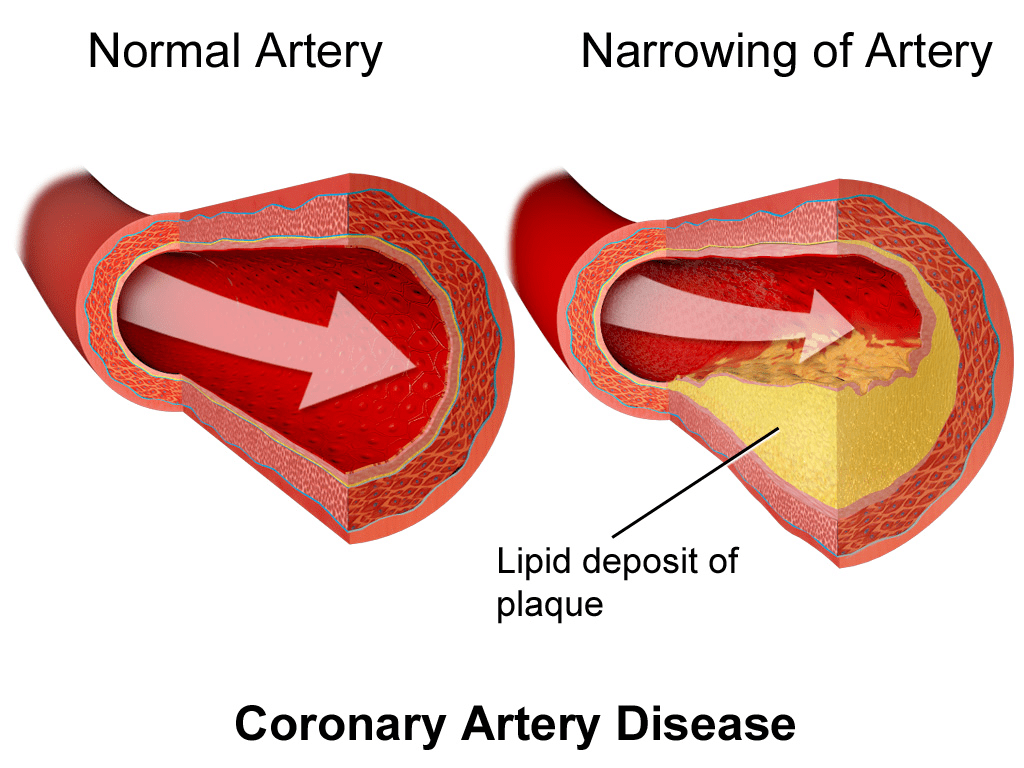
Walking briskly for 20 to 30 minutes every day helps build new collateral blood vessels in your heart over time. These new vessels bypass blocked arteries and supply blood to areas that need it.
You should engage in brisk walking for at least 20 to 30 minutes every single day. Doctors recommend a minimum of 150 minutes of walking every week to protect your cardiovascular system.
When you start walking, your body releases a specific type of lubricating fluid into your joints. This fluid reduces stiffness, and you can often feel the relief within the first 10 minutes of walking.
Yes, walking is an excellent exercise for weight loss because it uses up stored carbohydrates and fats for energy. You can burn anywhere from five to seven calories per minute depending on how long you walk.
The calf muscle acts as the body's second pump. Since the heart cannot easily pull blood up from the toes against gravity, walking trains the calf muscles to push the blood back up to the heart.